
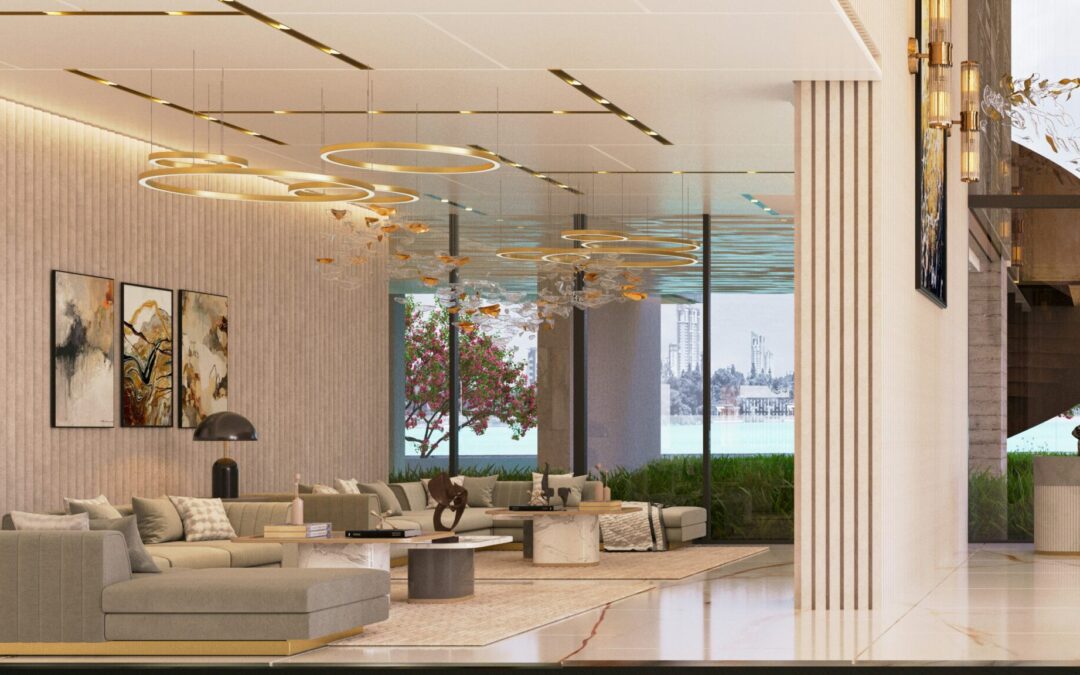
Luxury Hospitality Is Built On Detail.
The lighting, scent, architecture, furniture, staffing, and even the pace of service are intentionally designed to influence how guests feel from the moment they arrive. But one of the most powerful and least discussed elements of the luxury hotel experience is music.
In high-end hospitality environments, music is not simply background noise. It functions as an emotional and psychological design tool that shapes energy, influences behavior, and creates atmosphere throughout the property.
From boutique rooftops in New York City to luxury lounges in Los Angeles to internationally recognized hotels in destinations like Mexico City, hospitality brands understand that carefully curated music can dramatically impact the way guests experience a space.
For DJs working in the luxury hospitality world, this creates a very different type of performance environment compared to clubs or traditional nightlife venues. Success in this space requires restraint, emotional intelligence, technical consistency, and a deep understanding of atmosphere.
As a DJ that is often booked for hospitality gigs myself, these principles have become central to how my performances are approached across hotel lounges, corporate hospitality events, rooftop environments, and luxury private functions.
Music As Environmental Design
Luxury hotels rarely think about music as entertainment alone. Instead, music is often treated as part of the overall sensory architecture of the space.
The objective is not always to command attention. In many cases, the goal is to subtly influence:
- Mood
- Energy flow
- Guest comfort
- Social interaction
- Perception of luxury
- Length of stay
This is why music selection inside luxury hospitality environments often feels intentional without feeling intrusive.
A well-designed soundtrack can:
- Make a lobby feel elevated and calm
- Increase the energy of a rooftop cocktail hour
- Create warmth in a lounge environment
- Transition a dinner service into nightlife naturally
- Encourage guests to remain in a space longer
In hospitality, atmosphere is revenue-driving. Music plays a direct role in shaping that atmosphere.
Why Luxury Hotel DJing Is Different From Club DJing
One of the biggest misconceptions about hotel DJing is that it is easier than club performance. In reality, luxury hospitality environments are often far less forgiving. In clubs, high energy is expected. Guests arrive specifically for music-driven entertainment.
Hotels operate differently.
The DJ is often responsible for managing multiple environments simultaneously:
- Dining ambiance
- Conversation levels
- Crowd energy
- Brand identity
- Guest demographics
- Volume sensitivity
A luxury hotel DJ must understand pacing at a much more nuanced level.
The objective is rarely to dominate the room. Instead, the goal is to support the room while gradually shaping its energy.
This requires:
- Strong musical restraint
- Sophisticated track selection
- Smooth transitions
- Genre flexibility
- Emotional awareness
- Technical consistency
The ability to read a hospitality environment is one of the most valuable skills a DJ can develop.
The Psychology Of Music In Hospitality Spaces
Luxury hotels carefully design emotional transitions throughout a guest’s experience. Music becomes part of that emotional architecture.
For example:
- Early evening music may feel relaxed, warm, and spacious
- Cocktail-hour music may become more rhythmic and social
- Rooftop or nightlife transitions may slowly increase tempo and intensity
These shifts often happen gradually enough that guests do not consciously notice them. But they can feel them.
That subtle emotional movement is what separates professional hospitality music programming from random playlists.
The strongest hotel DJs understand how to:
- Build energy slowly
- Avoid abrupt genre shifts
- Control emotional pacing
- Maintain sophistication while still feeling accessible
This is especially important in luxury environments where guests expect refinement rather than chaos.
Why Open-Format DJs Often Thrive In Hospitality
One reason open-format DJs perform particularly well in luxury hospitality environments is versatility.
Hotels attract diverse audiences such as:
- International travelers
- Corporate clients
- Couples
- Tourists
- Professionals
- High-end private event guests
Rigid genre specialization can limit adaptability. Being flexible offers more options for where the music can go.
An open-format approach allows DJs to move naturally between:
- House
- Disco
- R&B
- Soul
- Lounge
- Funk
- Afro house
- Downtempo electronic
- Hip-hop edits
The goal is not to show musical range for the sake of ego. The goal is to create continuity and atmosphere.
For me, this type of musical flexibility has become an essential part of performing within any environment but especially in hospitality-focused locations. The ability to adjust energy while maintaining cohesion is often more important than playing the newest or most aggressive tracks.
Technical Consistency Matters More Than Most People Realize
Luxury hospitality environments place enormous importance on consistency. Unlike clubs, where occasional chaos may feel acceptable, hotels often prioritize stability and polish.
That means DJs must pay close attention to:
- Gain staging
- Volume management
- Smooth EQ transitions
- Clean audio quality
- Equipment reliability
- Professional booth presence
Even subtle technical issues become noticeable in upscale hospitality settings. Guests may not consciously identify technical mistakes, but they absolutely can sense when something is off.
This is why experienced hospitality DJs develop highly structured workflows and preparation systems before performances.
Consistency creates trust with:
- Venue management
- Event planners
- Hospitality teams
- Guests
And trust leads to repeat bookings.
The Importance Of Reading The Room
One of the most underrated skills in hospitality DJing is restraint.
Not every moment requires maximum energy.
In many luxury spaces, the DJ’s role is to:
- Enhance conversations rather than interrupt them
- Support social interaction
- Elevate atmosphere subtly
- Build emotional texture over time
This often means resisting the temptation to overplay high-energy records too early.
The best hospitality DJs understand pacing.
They know how to:
- Let tracks breathe
- Create emotional continuity
- Build tension gradually
- Shift genres without disrupting atmosphere
This type of control often comes from years of experience performing across different types of venues and audiences.
Hospitality Music Is Becoming More Curated Than Ever
As luxury hospitality becomes more experience-driven, music programming is becoming increasingly intentional.
Hotels now invest heavily in:
- Curated playlists
- Resident DJs
- Branded sound identities
- Rooftop music concepts
- Lifestyle-oriented events
Guests increasingly associate music quality with the overall quality of the venue itself.
This creates major opportunities for DJs who understand:
- Atmosphere creation
- Sophisticated programming
- Technical professionalism
- Hospitality pacing
- Brand-sensitive performance
The DJs who thrive in this environment are usually not the loudest.
They are the most adaptable.
Final Thoughts
Luxury hospitality DJing is less about performance ego and more about emotional intelligence.
The strongest DJs in this space understand that music influences how people experience environments, interact socially, and remember a venue long after they leave. From rooftop lounges to boutique hotel environments to upscale corporate hospitality events, music has become a core part of modern luxury experience design.
As a DJ, my focus has always been on creating that balance between sophistication, energy, and atmosphere — building sets that elevate environments naturally rather than overpowering them.
Because in luxury hospitality, the best music experiences often feel effortless, even when they are carefully designed behind the scenes.